
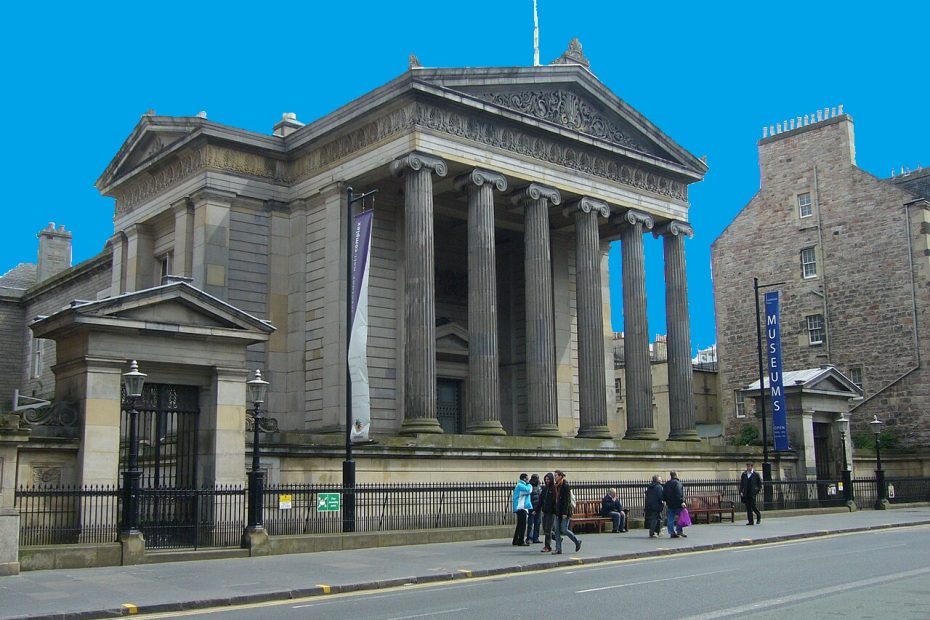
Here’s a comprehensive and richly detailed overview of The Surgeons Hall Museum Edinburgh (Surgeons’ Hall Museums Edinburgh) — one of Scotland’s most fascinating cultural and scientific institutions:
🧠 Introduction: A Unique Museum of Medicine and Surgery
Surgeons’ Hall Museums Edinburgh are part of the Royal College of Surgeons of Edinburgh (RCSEd), a professional body for surgeons founded in 1505 — making it one of the oldest surgical institutions in the world. While the College continues to support surgical education and practice globally, its museum collections have been open to the public since 1832, making the Surgeons’ Hall Museums among the oldest museums in Scotland and the UK. Today they are internationally recognised for their historical breadth, scientific importance, and unique educational experience.
🏛️ Historical Background
The Surgeons Hall Museum Edinburgh ’s roots go back to 1699, when the College actively began to collect “natural and artificial curiosities” to support the education of surgeons. Over the centuries, this grew to include vast collections of anatomical specimens, surgical instruments, art, memorabilia and pathological material. The collections were consolidated and displayed in the William Playfair–designed building, completed in 1832, which remains the museum’s home today.
Origins and Development
- 17th–18th centuries: Initial growth of anatomical and surgical specimens.
- 19th century: Major expansions with contributions from influential figures such as Sir Charles Bell and John Barclay.
- 1832: Public access begins, making these collections accessible beyond medical students and practitioners.
- 2015: A £4.4 million refurbishment (supported by the Heritage Lottery Fund) modernised displays and expanded accessibility, dramatically enhancing visitor experience.
The The Surgeons Hall Museum Edinburgh ’s credibility and cultural importance are reflected in its designation by the Scottish Government as a Recognised Collection of National Significance, highlighting the value of its holdings for both science and heritage.
🧬 Major Galleries and Exhibitions
Surgeons’ Hall Museums are divided into several distinct galleries, each with its own focus and character:
🔬 The Wohl Pathology Museum
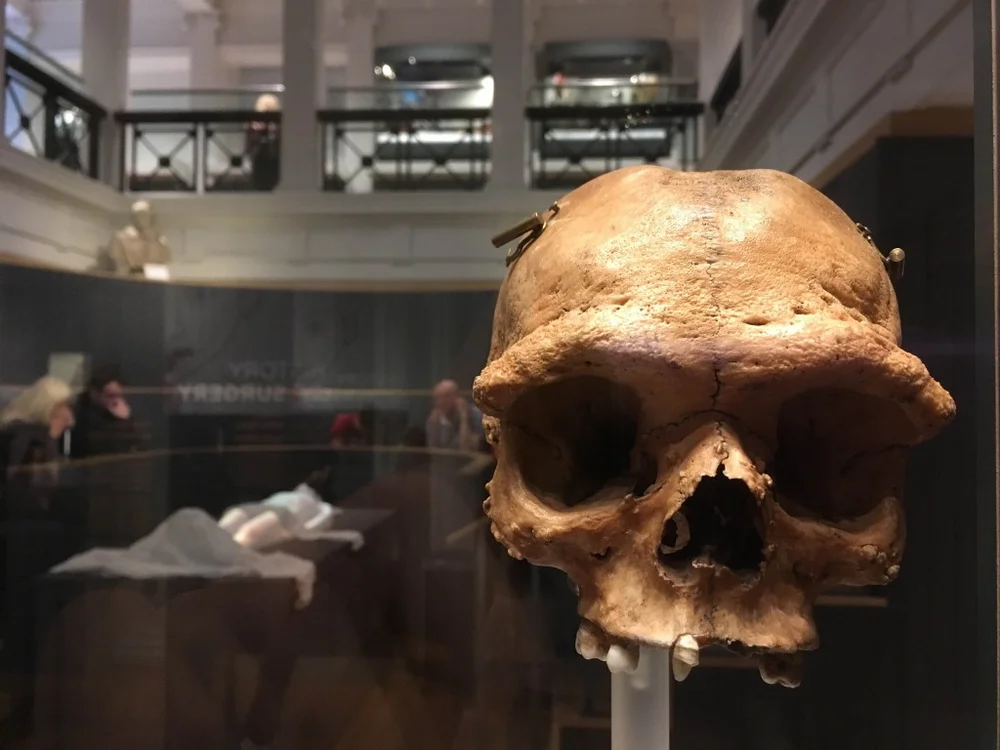
This is perhaps the Surgeons Hall Museum Edinburgh ’s most extraordinary gallery, holding one of the largest and most historic collections of surgical pathology in the world. Here the walls and display cases showcase preserved tissues, bones, organs and other specimens that illustrate disease processes, trauma and medical conditions in vivid detail. Adults and students alike gain insight into how disease affects the human body and how surgeons have responded to these challenges over time.
- Topics range from women in surgery, military medicine, to historic treatments of disease.
- Housed on the upper floor of the Playfair Building, this gallery often highlights the human element behind medical progress, acknowledging those whose suffering contributed to scientific understanding.
⚠️ Note: Because of the nature of the displays — including human tissue — the museum recommends it for visitors aged 10 and up. Some people may find aspects distressing.
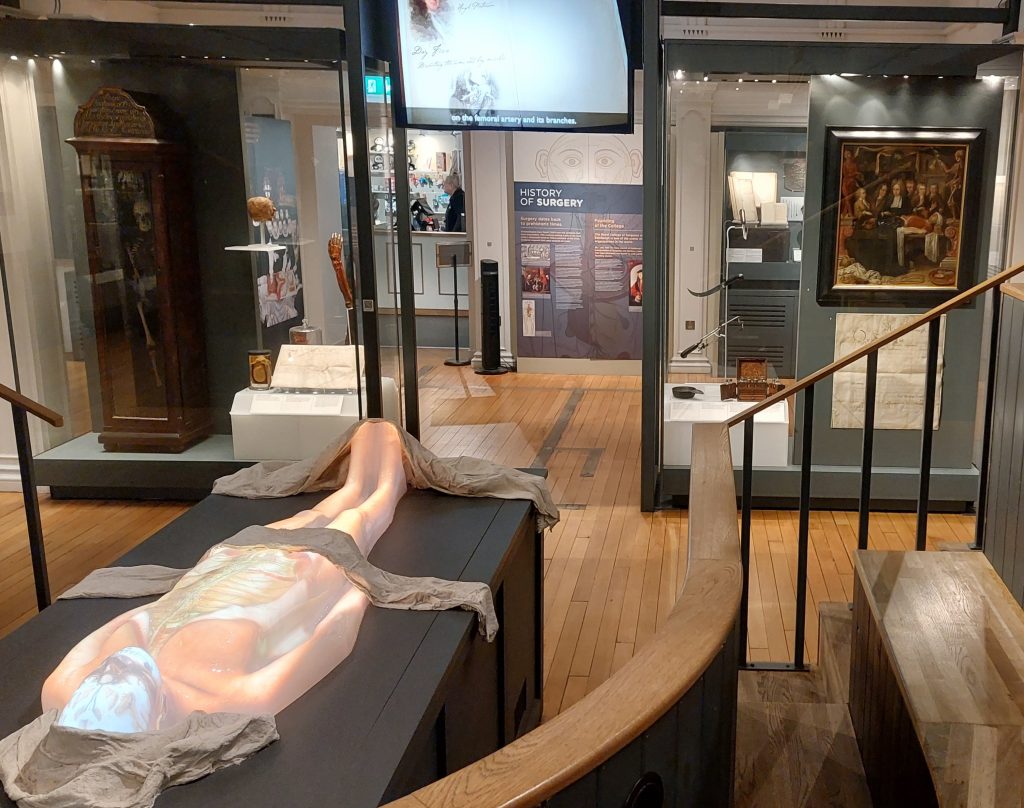
🧰 The History of The Surgeons Hall Museum Edinburgh
This gallery tells the story of surgical advances from early days through to modern medicine. It explores Edinburgh’s pivotal role in surgical innovation — with displays on key figures such as:
- Joseph Lister, who pioneered antiseptic surgery;
- James Young Simpson, discoverer of chloroform anaesthesia;
- James Syme, a leading 19th-century surgeon.
An eye-catching feature is the reconstructed anatomy theatre, complete with an interactive dissection table, demonstrating how public dissections were conducted in the 1700s — a practice that both educated students and influenced medical legislation, like the Anatomy Act of 1832.
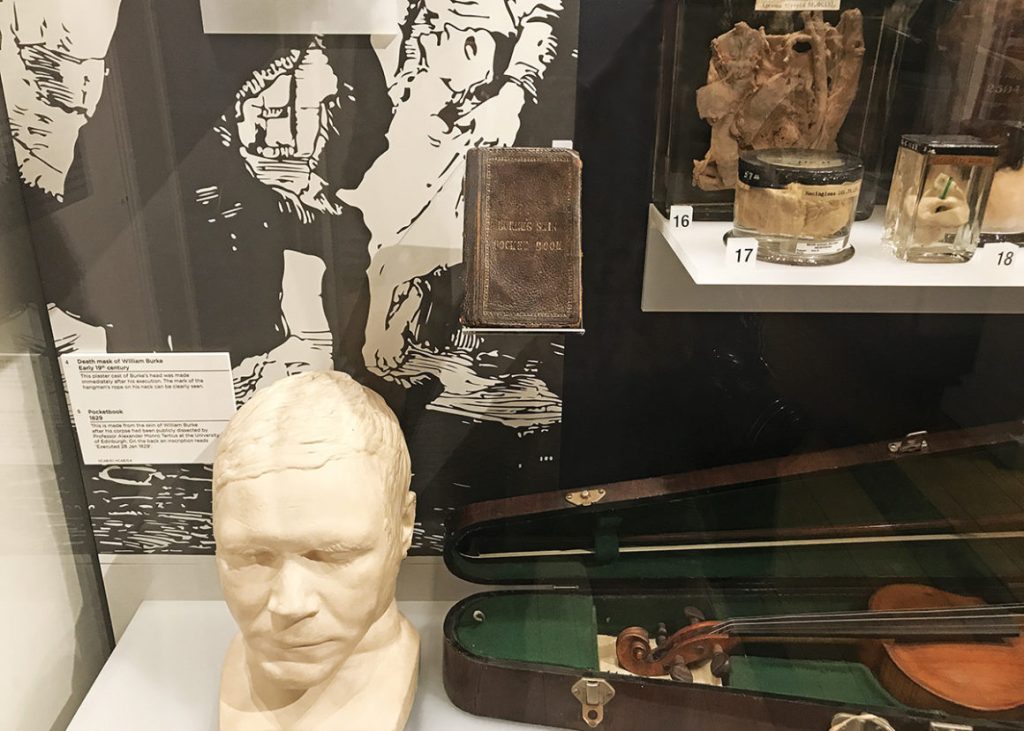
The Surgeons Hall Museum Edinburgh doesn’t shy away from Edinburgh’s darker medical history — it includes artefacts linked with the notorious Burke and Hare murders, where bodies were sold for dissection.
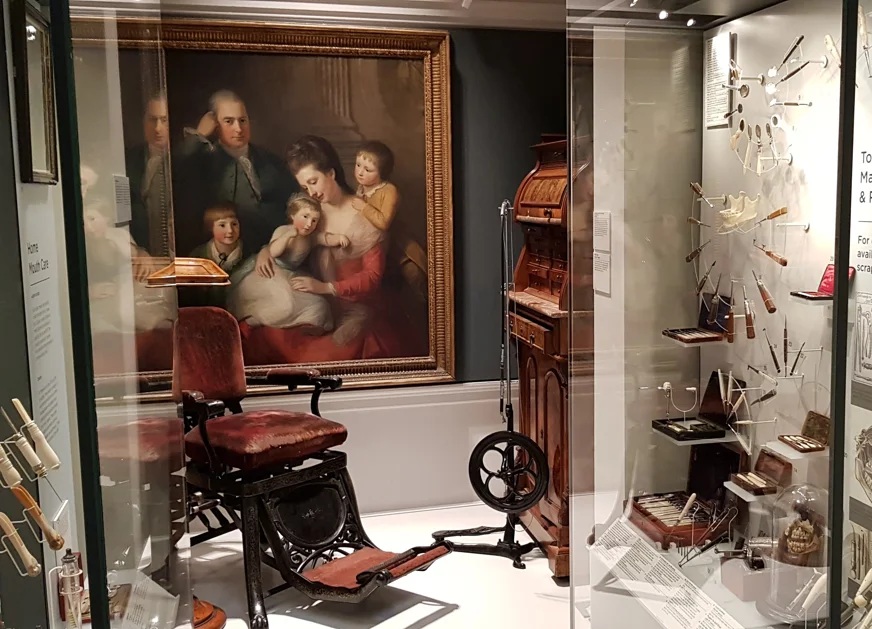
🪥 The Dental Collection
One of the UK’s finest dental historical collections sits within Surgeons’ Hall Museums. It charts the evolution of dental practice from its earliest forms — when anyone with rudimentary tools might extract or repair teeth — through to modern dentistry. Items include instruments, models, engravings, and artwork that trace cultural and medical shifts in oral care.
🤖 Body Voyager Gallery
A comparatively modern addition, Body Voyager uses interactive displays and technology to explore the rise of computerised and robotic surgery. The gallery takes visitors on a journey through the human body, exposing the latest advances in surgical robotics, imaging and minimally invasive techniques. It’s designed to provoke thought about the future of surgical care, blending science with interactive experience.
🎓 Education, Events, and Special Programmes
Surgeons Hall Museums don’t just display objects — they actively engage visitors through public talks, workshops, lecture series, and unique events. For example:
- After-hours events like “An Evening with Surgeons’ Hall Museums” blend behind-the-scenes tours with expert talks and demonstrations.
- Group tours explore restricted areas and provide guided insights into pathology and surgical history.
- Temporary and rotating exhibitions enhance ongoing interpretation of medical advances or thematic topics.
In 2025, the museum is also running a major initiative celebrating women in surgery, including commissioned artwork and exhibitions illustrating progress and recognition of female surgical pioneers.
🗺️ Visit Information – Surgeons Hall Museums Edinburgh
Surgeons’ Hall Museums are open 7 days a week, 10 am to 5 pm, with last admission around 4:30 pm (closed briefly over Christmas/New Year). Booking is not required for standard visits, though guided tours and special programmes may require advance arrangements. There are concessions for students, NHS staff, seniors and family ticket options.
Accessible by foot or public transport from central Edinburgh (about a 10-minute walk from Edinburgh Waverley station), the museum is centrally located on Nicolson Street and forms part of Edinburgh’s rich tapestry of historic and cultural attractions.
🧠 Why It Matters
Surgeons’ Hall Museums stand at the intersection of history, science, medicine and education. Its collections embody centuries of surgical exploration, celebrate medical innovators, and reveal how much our understanding of the human body has transformed. Whether you are a medical professional, student, historian or curious visitor, the museum offers a profound journey through the evolution of surgery — from early risks and rudimentary tools to advanced, technology-driven practices shaping healthcare today.
Best Special Places to Stay Edinburgh to view the Surgeons’ Hall Museum Edinburgh
Barony House – Boutique Guest House Edinburgh / Luxury Independent Bed and Breakfast Edinburgh is a quick walk down the road from the Surgeons Hall Museums Edinburgh.
What makes Barony House a Special Places to Stay Edinburgh? It is a fully audited 5 Star GOLD property with the latest inspection ratified in February 2026 – Read about it HERE.