Amazing John Knox House Edinburgh – Here is a comprehensive, detailed account of John Knox House Museum on the Royal Mile in Edinburgh, covering history, architecture, key myths and facts, significance, and what you can see and do there:
🏛️ Overview: What Is John Knox House Edinburgh?
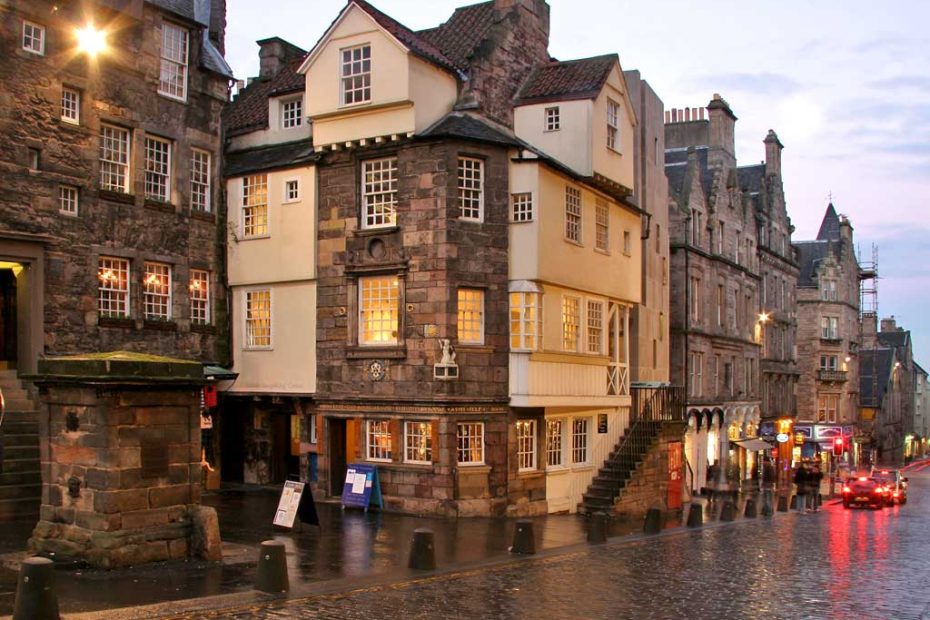
John Knox House Edinburgh is one of the oldest surviving buildings on Edinburgh’s famous Royal Mile, dating from the late 15th and 16th centuries. Although its direct connection with the reformer John Knox is debated among historians, the house has become closely identified with him over centuries and is today preserved as a museum and visitor attraction within the larger Scottish Storytelling Centre.
The building stands at 43–45 High Street, where it forms a distinctive historic landmark — and provides a remarkably tangible sense of medieval and Reformation-era Edinburgh in one of the city’s most visited locations.
🧱 Origins and Architecture
The house’s earliest origins stretch back to around 1470, with later work from the 16th century adding much of what is visible today. Architecturally it is a three-storey medieval townhouse, with features rarely seen elsewhere in Edinburgh:
- Timber-framed galleries and projecting upper floors — examples of High Street medieval design that have otherwise disappeared from the city.
- Intricately carved stonework and initials of earlier owners over doorways and facades.
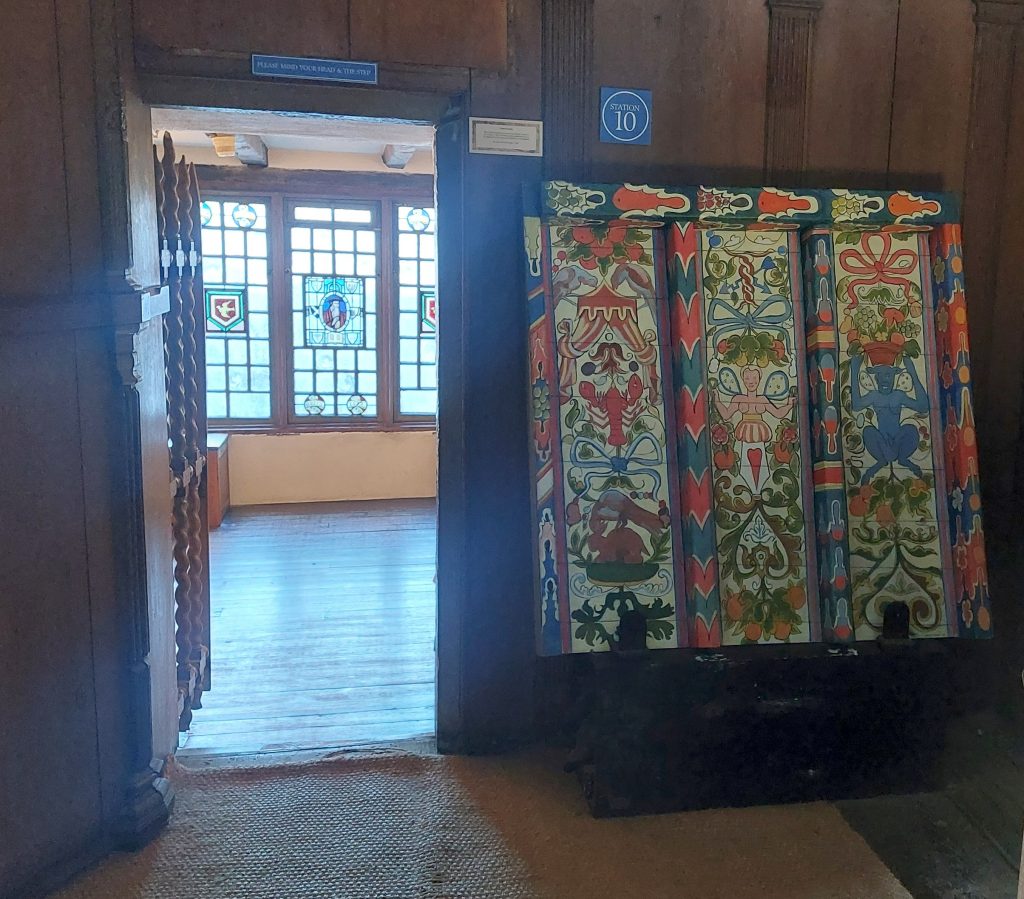
- Painted wooden ceilings and large fireplaces inside, some dating back to the early 17th century.
- Narrow turnpike stairs that illustrate how townspeople used architectural design for everyday security.
These architectural elements help explain why the house survived at all — by virtue of its historical and visual uniqueness — even when neighbouring medieval buildings were demolished over the centuries.
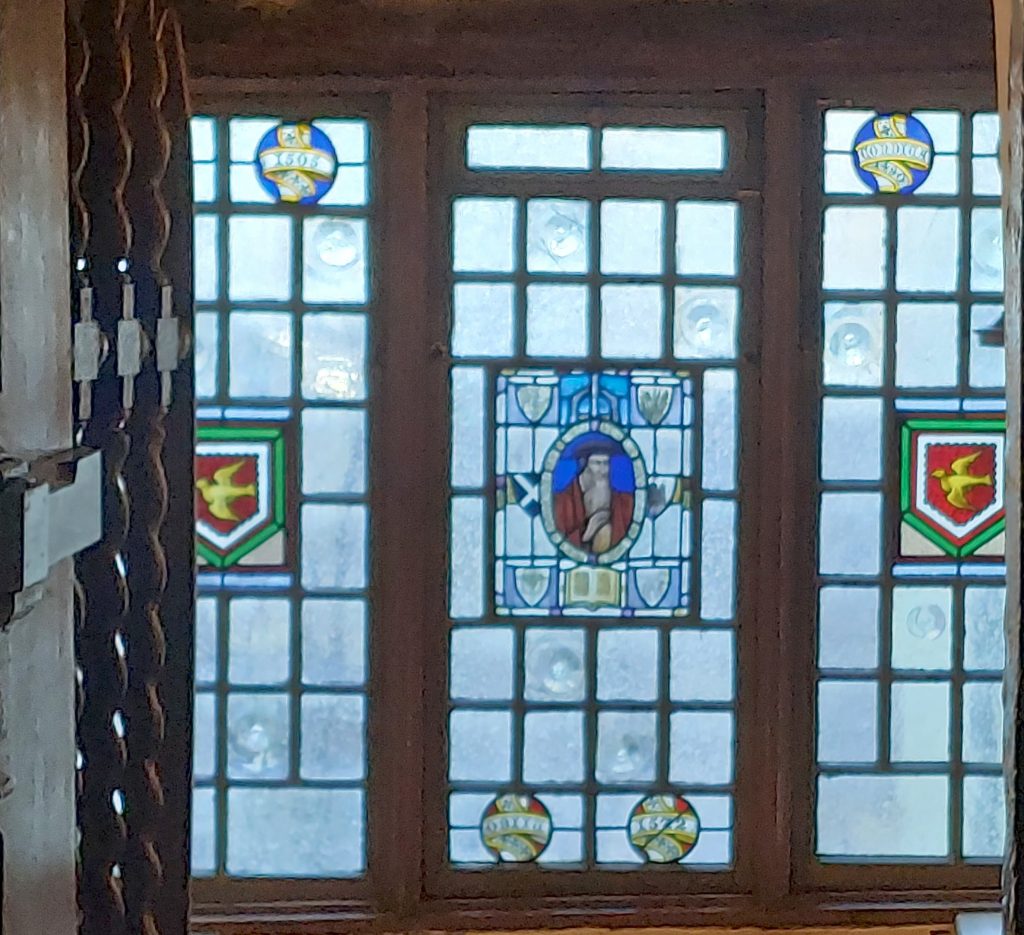
📜 Early Owners: Goldsmiths and Royal Connections
The earliest recorded owner was Walter Reidpath, but the house entered the medieval spotlight when it was inherited in 1556 by Mariota Arres, who married James Mossman, a goldsmith and jeweller to Mary, Queen of Scots.
Their initials (“IM” and “MA”) remain on the exterior stone, alongside a carved inscription in Scots that translates roughly to:
“Love God above all and your neighbour as yourself.”
Mossman’s loyalty to Mary — at a time when Scotland was tearing itself apart over religion and politics — ultimately led to his downfall. He sided with the Queen’s supporters during the ‘Lang Siege’ of Edinburgh Castle (1571–1573), and when the fortress fell, he was executed for treason in 1573. His possessions, including the house, were forfeited to the Crown.
🙇 Association With John Knox: Legend and Reality
The John Knox House Edinburgh name comes from its association with John Knox House Edinburgh, the fiery Scottish Protestant reformer who was instrumental in the Scottish Reformation and the founding of the Presbyterian Church of Scotland.
However, modern research suggests Knox probably did not live here for most of his life; rather, he stayed for only a short period — perhaps a few months before his death in 1572. A plaque a short walk uphill in Warriston Close marks the approximate site of his more long-term residence, and he is believed to have died in the house itself.
Despite uncertainties about his residence, the association with Knox became solidified in the late 18th and early 19th centuries, and this reputation later became the reason the house was preserved — at times when it was at risk of demolition in Edinburgh’s drive toward modernisation.
📖 Historical Significance: Reformation and Civic Life
Because it followed the path of Knox and his contemporaries, John Knox House is not just about architecture — it is a symbol of the Scottish Reformation’s social and political upheavals:
- Knox’s preaching and debates challenged Catholic authority and helped bring about the 1560 act of Parliament which rejected papal authority in Scotland.
- The Reformation influenced everything from church governance to educational policy. Knox’s ideas contributed to the early establishment of a nationwide system of schools in Scotland.
- Visitors can see how the sharp lines between religion, politics, and daily life shaped 16th-century Scotland.
🎟️ Modern Museum and Visitor Experience
Today, the John Knox house Edinburgh is a museum space integrated into the Scottish Storytelling Centre, which adds cultural programming, exhibitions, performances, and storytelling events alongside the historic interior.
Inside you’ll find:
- Exhibits about John Knox House Edinburgh and his era, including early editions of writings and displays about Reformation life.
- Period interiors with fireplaces, timber panelling, and architectural details that evoke everyday life in 16th-century Edinburgh.
- Interactive elements like puzzles, portrait hunts, and hidden features that reveal the building’s quirks.
- A gift shop and café area in the lower rooms, connected to the Scottish Storytelling Centre’s cultural offerings.
Opening times are generally 10 am–6 pm daily, with a modest admission fee for adults and concessions available (children under a certain age often free).
📍 John Knox House Edinburgh – Legacy and Cultural Importance
Not only does John Knox House provide a window into medieval domestic architecture, it also stands as a monument to Scotland’s turbulent history, bridging royal politics, religious reform, and later movements to preserve and celebrate the past. Its very survival — saved from demolition in the 19th century thanks largely to its link with Knox — reflects how modern sensibilities about history and heritage developed in urban Scotland.
Whether you are interested in architecture, religion, or the gritty story of how Edinburgh’s historic heart evolved, John Knox House remains an essential site for understanding Scotland’s story.
Where to Stay to see John Knox House?
Barony House of course! The only 5 Star GOLD fully accredited Boutique Guest house Edinburgh in the area. We are 20 minutes walk or so away from our main door! Buses also take you staright there in about 10 minutes.
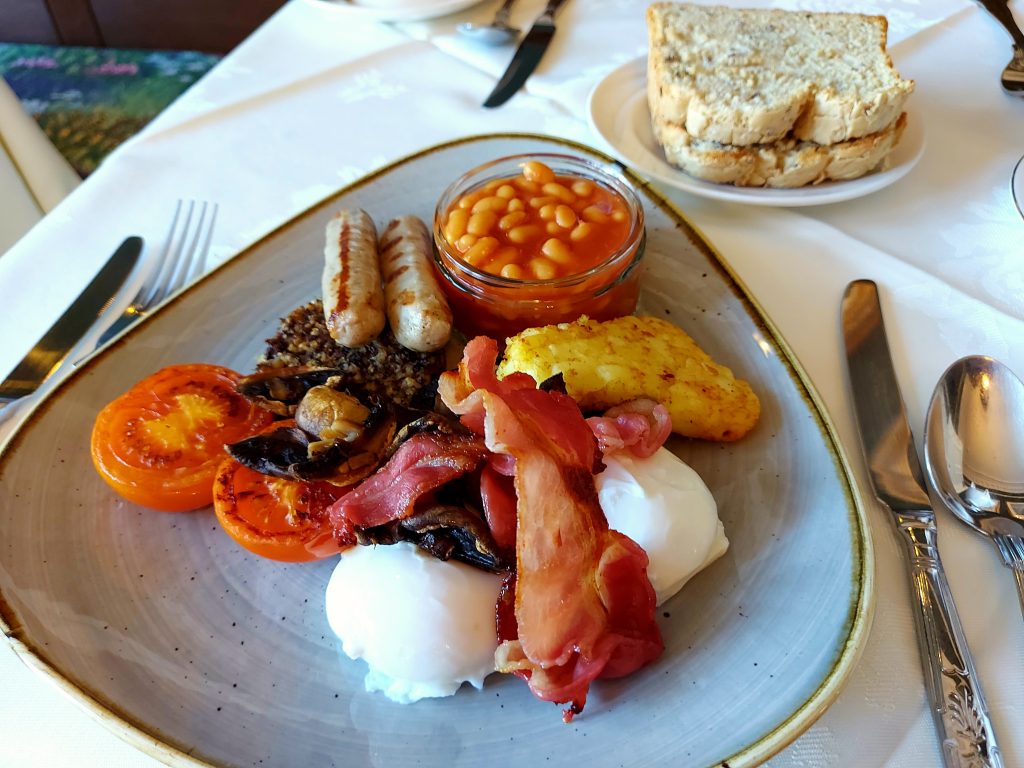
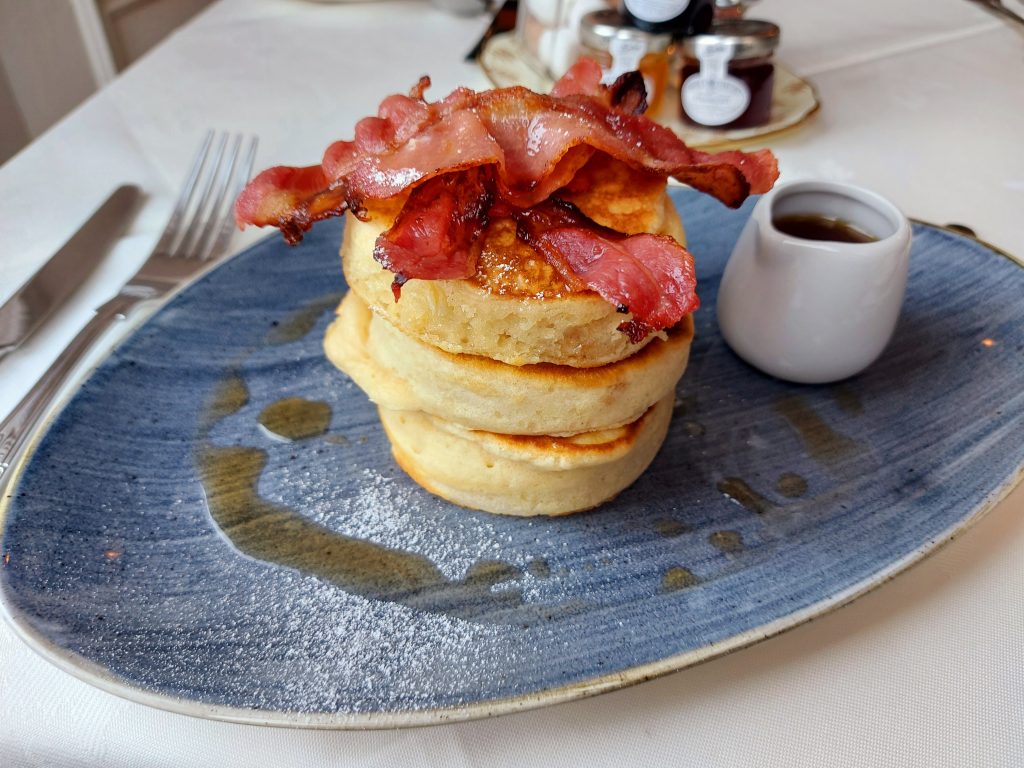
What’s for breakfast?