
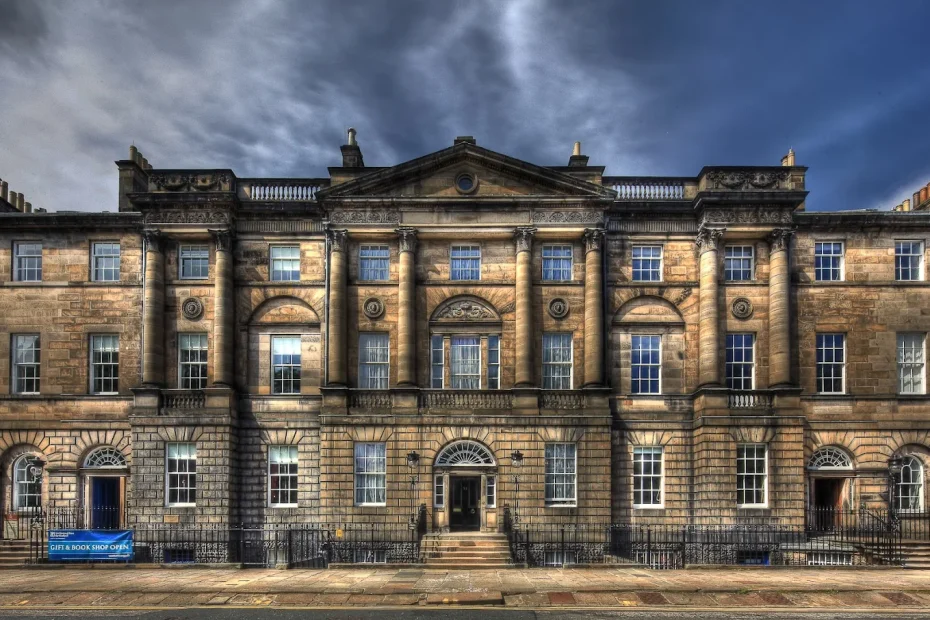
The Georgian House Edinburgh is one of the most important historic house museums in Scotland and a key heritage property managed by the National Trust for Scotland. Located at 7 Charlotte Square in the New Town of Edinburgh, the house offers visitors a detailed and immersive insight into how wealthy residents lived during the late eighteenth and early nineteenth centuries. Through careful restoration, period furnishings, and interpretive displays, it recreates the world of Georgian Edinburgh, illustrating both the luxurious lifestyle of elite families and the demanding work of the servants who supported them.
Below is a comprehensive exploration of the property’s history, architecture, restoration, social context, and modern role as a heritage attraction.
1. The Georgian House Edinburgh Historical Context: Rise of Edinburgh’s New Town
The story of The Georgian House Edinburgh cannot be separated from the development of Edinburgh’s New Town. By the mid-18th century, Edinburgh’s Old Town had become overcrowded, unsanitary, and congested. Wealthy residents and professionals wanted more spacious, modern housing away from the cramped medieval streets. As a result, city planners began developing a new residential district north of the old city centre.
The New Town was carefully planned with broad streets, symmetrical squares, and elegant terraces. It reflected the ideals of the Scottish Enlightenment—order, reason, and beauty. The layout of the district was originally designed by the architect James Craig, whose plan introduced grand squares such as Charlotte Square Edinburgh. The square, including No. 7 where the Georgian House stands, was designed by the renowned neoclassical architect Robert Adam. His elegant façades gave the square a unified classical style that still defines the Historic Houses Edinburgh character of the area today.
This environment of architectural ambition and urban improvement forms the backdrop for the creation of the Georgian House Edinburgh.
2. Construction and Early Ownership
The Georgian House Edinburgh was built in Charlotte Square Edinburgh, 1796 during the late Georgian period. It was originally purchased by John Lamont, the 18th Chief of the Clan Lamont. Lamont paid approximately £1,800 for the property, a considerable sum at the time.
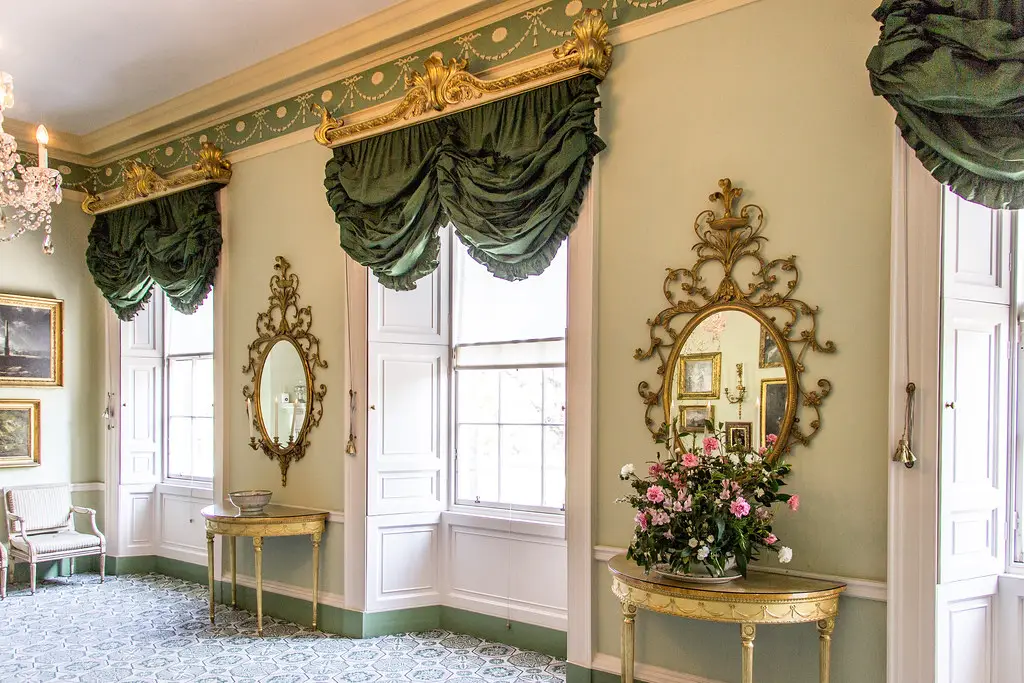
Lamont moved into the house with his family and embraced the lifestyle expected of wealthy New Town residents. The home served as both a private residence and a place for social gatherings, dinners, and entertainment. The interior was decorated with fashionable furnishings, fine tableware, and artwork, reflecting the wealth and status of the household.
However, Lamont’s financial situation deteriorated over time. After his death in 1816, his son sold the house the following year to Catherine Farquharson of Invercauld. Over the following decades, several wealthy families occupied the property, maintaining its role as an elite townhouse within Edinburgh’s New Town society.
3. Architecture and Design
Architecturally, the Georgian House Edinburgh is a superb example of late 18th-century neoclassical domestic design. The building’s exterior is characterised by symmetry, proportion, and elegant restraint—key features of Georgian historic houses Edinburgh architecture.
Key architectural characteristics include:
- Classical façade designed by Robert Adam
- Tall sash windows allowing natural light into the main rooms
- Stone construction typical of Edinburgh’s New Town buildings
- Multiple storeys, including basement service areas and attic rooms
The interior layout of The Georgian House Edinburgh reflects the social hierarchy of Georgian households. The house originally had five floors, each serving a distinct function.
Typical arrangement of floors:
- Basement: Kitchen, storage, and servant workspaces
- Ground floor: Entrance hall and formal dining room
- First floor: Grand drawing room for entertaining
- Upper floors: Bedrooms and private family spaces
- Attic: Servants’ sleeping quarters
This separation between public and private spaces, as well as between family and servants, was a defining feature of Georgian domestic architecture.
4. Life in the House: Upstairs and Downstairs
The Georgian House Edinburgh is especially valuable as a historical site because it illustrates both the luxurious lifestyle of wealthy families and the demanding labour of their servants.
The Family Lifestyle
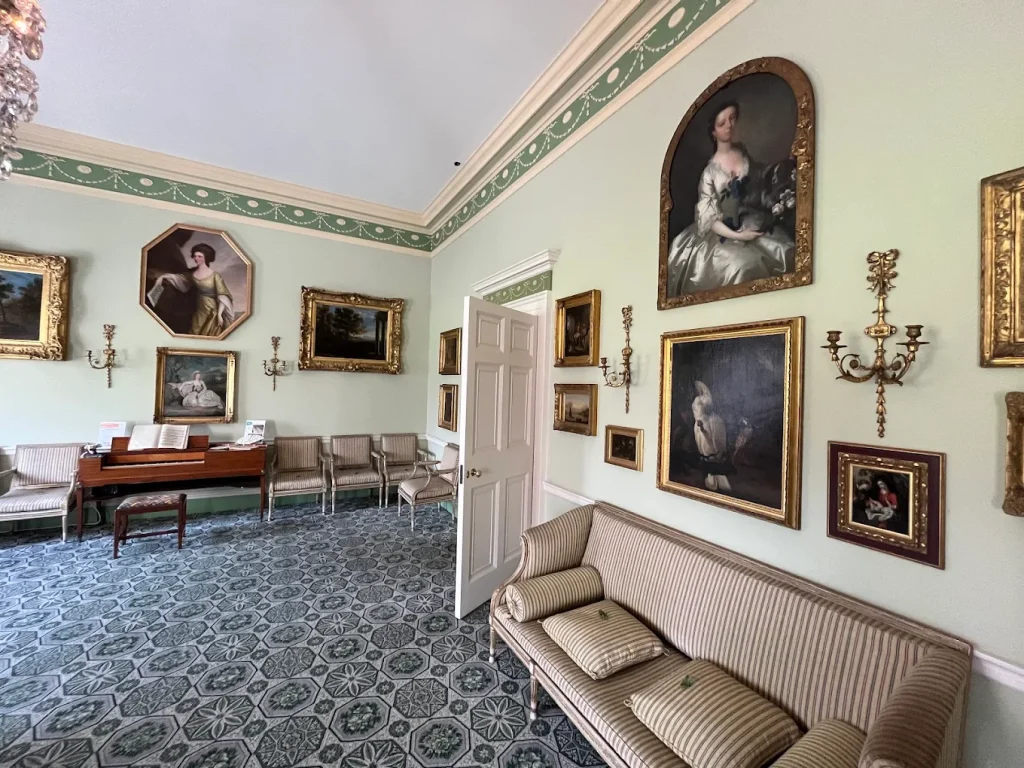
The Lamont family, like many affluent residents of the New Town, enjoyed a life centred on social gatherings, cultural activities, and polite society. The drawing room served as a focal point for conversation, music, and dancing, while the dining room hosted elaborate dinners and social events.
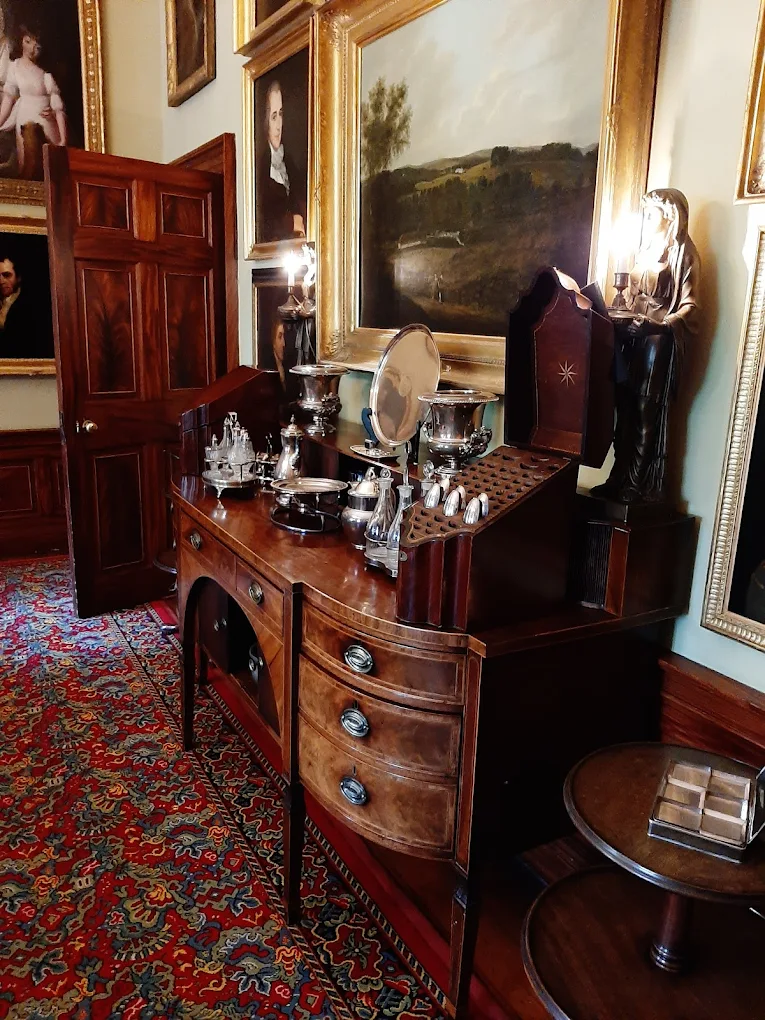
The home was furnished with high-quality objects that symbolised refinement and status, including:
- Fine porcelain and glassware
- Silver dining sets
- Elegant furniture
- Artwork by notable Scottish painters such as Henry Raeburn, Allan Ramsay, and Alexander Nasmyth. Alexander Nasmyth actually gave art lessons to the famous John Ruskin’s father: John James Ruskin while John was attending the prestigious Royal High School in Edinburgh.
These objects demonstrated the family’s cultural sophistication and participation in the intellectual and artistic world of Enlightenment Scotland.
The Servants’ World
Behind this elegance lay a large workforce of domestic servants who performed the labour required to maintain such a household.
Servants were responsible for tasks such as:
- Cooking and preparing meals
- Cleaning and maintaining rooms
- Laundry and clothing care
- Lighting fires and candles
- Serving guests
The basement kitchen and workrooms illustrate how physically demanding and time-consuming these duties were. Servants often worked long hours and lived in modest quarters, usually in the attic or basement.
This contrast between luxury upstairs and hard work downstairs provides a powerful insight into the social structure of Georgian society.
5. The Georgian House Edinburgh in the 19th and 20th Centuries
By the nineteenth century, Edinburgh’s New Town continued to thrive, but social changes gradually altered the way such houses were used. Large townhouses like the Georgian House became expensive to maintain, and many were eventually divided into flats or adapted for other purposes.
The Georgian House Edinburgh, in Charlotte Square Edinburgh remained a private residence for many years before its historical significance began to be recognised.
In 1966, the property became part of the National Trust for Scotland, a charity dedicated to protecting the country’s historic houses Edinburgh and landscapes.
Following the end of a commercial lease in 1973, the Trust decided to restore the building as a “Georgian show house,” aiming to recreate the atmosphere of a late-18th-century family home rather than simply displaying objects in a museum setting.
Between 1973 and 1975, extensive restoration work took place. Designers and historians researched furniture, decorations, and household objects to recreate an authentic Georgian interior. The restoration was overseen by the architect Schomberg Scott, a specialist in historic building conservation.
The house then opened to the public as a museum, allowing visitors to experience the world of Georgian Edinburgh.
6. Collections and Interior Displays
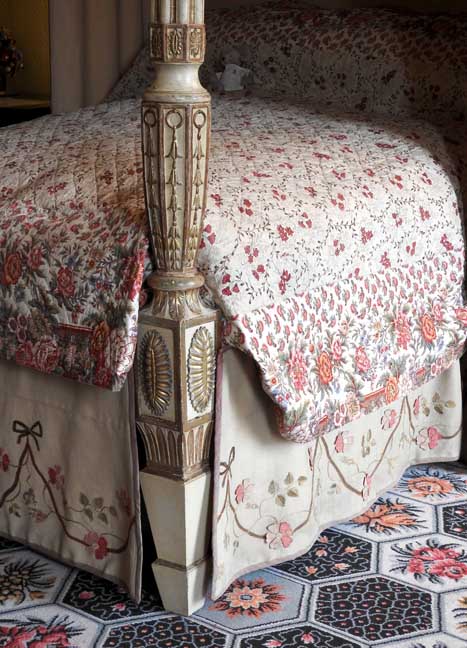
Today the Georgian House contains an impressive collection of period objects that recreate a wealthy Edinburgh household around 1800.
Important items on display include:
- Georgian furniture and decorative arts
- Porcelain and glassware
- Silver dining pieces
- Household equipment
- Historical artworks
One unusual feature of the house is the “necessary passage”, which contains a portable flush toilet dating from about 1805—a reminder that bathrooms as we know them today did not exist in Georgian homes.
These displays help visitors understand everyday life, technology, and social customs during the Georgian period.
7. Educational and Cultural Role
The Georgian House serves not only as a museum but also as an educational resource. The National Trust for Scotland runs school programmes that allow students to explore historical themes such as domestic life, social class, and urban development.
Examples of educational activities include:
- “Trainee Servants” programmes where pupils learn about domestic work
- Tours exploring Georgian architecture and society
- Interactive lessons comparing past and present lifestyles
These programmes help bring history to life and demonstrate how people lived in Edinburgh more than two centuries ago.
8. Location and Urban Significance
The Georgian House occupies a prominent position on Charlotte Square, one of the architectural highlights of Edinburgh’s New Town.
The square remains a prestigious address today. Notably, the building next door, Bute House, serves as the official residence of Scotland’s First Minister.
The surrounding New Town area is part of the UNESCO World Heritage Site covering the Old and New Towns of Edinburgh, recognised for its outstanding architecture and urban planning.
The Georgian House therefore represents not just a single building but an important part of the wider historical landscape of the city.
9. Visiting the Georgian House Today
Today, the Georgian House is open to visitors as a historic attraction managed by the National Trust for Scotland.
Visitors can:
- Walk through restored Georgian rooms
- Learn about family life and servants’ duties
- View period artworks and furnishings
- Attend special events and historical demonstrations
Because the house is presented as a lived-in home rather than a traditional museum, visitors can imagine what daily life might have been like for its residents around 1800.
Conclusion
The Georgian House Edinburgh is one of the best surviving examples of an eighteenth-century townhouse in Edinburgh. Built in 1796 during the development of the New Town, it illustrates the architectural ideals, social structures, and domestic life of the Georgian era. From its elegant drawing rooms to its busy basement kitchens, the house reveals the contrast between wealth and labour that defined elite households of the period.
Saved and restored by the National Trust for Scotland in the twentieth century, it now serves as a living historical exhibit. Visitors walking through its rooms experience not only the beauty of Georgian design but also the stories of the people—both wealthy families and hardworking servants—who once lived there in the best example of historic houses Edinburgh.
As part of Edinburgh’s World Heritage landscape, the Georgian House remains a vital link to the city’s Enlightenment past and an invaluable resource for understanding the cultural and social history of Scotland.